
Table of Contents
Resistance bands are a practical addition to any fitness routine because they are lightweight, versatile, and suitable for different strength levels. Whether you exercise at home, train at the gym, or prefer outdoor workouts, the right resistance bands can help you perform a wide range of exercises. However, choosing a durable product is important, especially if you plan to use it every day. Understanding the material, resistance level, design, and maintenance requirements can help you make a better purchase.
1. Check the Material Quality
Material quality is one of the most important factors when selecting resistance bands. Most options are made from natural latex, synthetic rubber, or fabric blends. Each material offers different benefits depending on your workout preferences.
Natural latex bands are generally elastic and flexible, making them suitable for strength training, stretching, and mobility exercises. Synthetic alternatives may be useful for people who prefer latex-free products. Fabric resistance bands are often designed for lower-body exercises and can provide a different feel compared with traditional rubber bands.
Before purchasing, check the product specifications and inspect the surface for uneven edges, cracks, or manufacturing defects. A well-made band should stretch smoothly and return to its original shape under normal use.
2. Select the Right Resistance Level
Resistance bands are available in multiple strength levels, ranging from light to extra heavy. Choosing the correct level depends on your fitness experience, training goals, and the exercises you intend to perform.
Light resistance is useful for warm-ups, mobility exercises, and beginners learning proper movement patterns. Medium resistance can support general strength training, while heavier bands may suit more challenging exercises and experienced users.
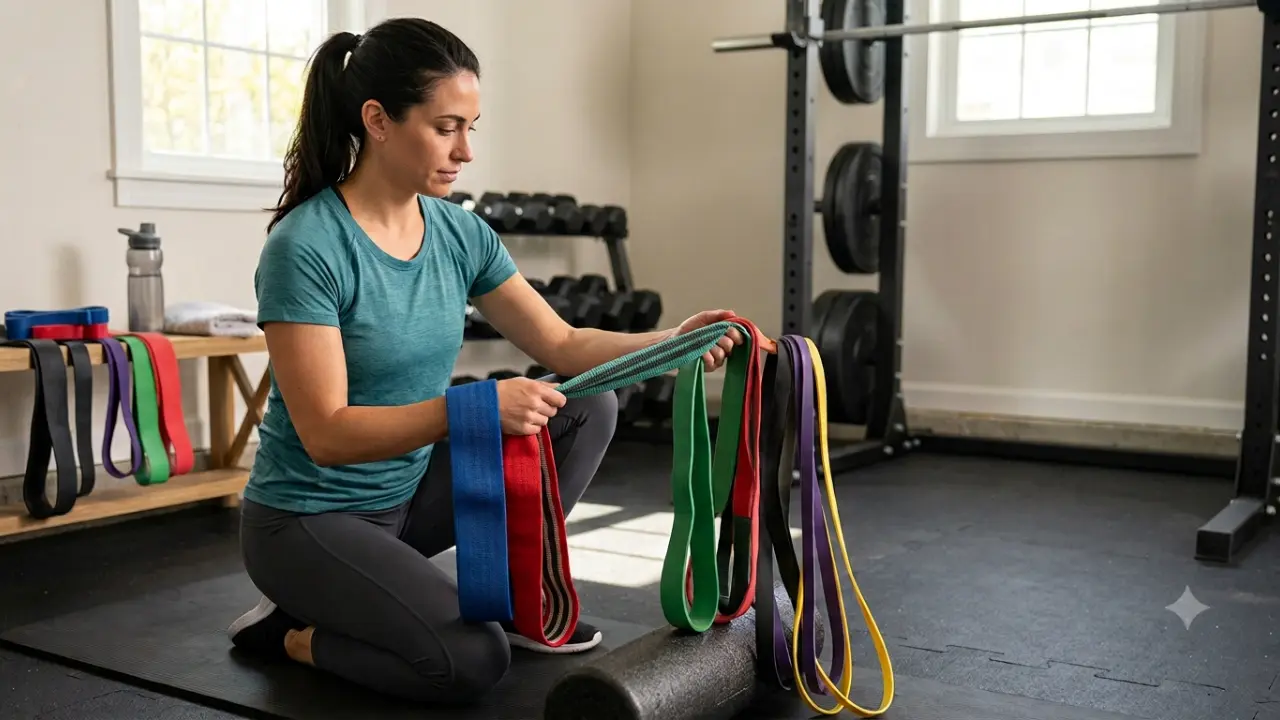
If you want to perform a variety of exercises, consider purchasing a set with different resistance levels. This allows you to adjust the difficulty as your strength improves without relying on a single band for every movement.
3. Evaluate Thickness and Construction
A band’s thickness and construction can influence its performance and durability. Thicker bands may provide greater resistance, but thickness alone does not guarantee quality. The overall material composition, manufacturing process, and intended use also matter.
Look for consistent construction without thin spots, rough edges, or visible damage. If you choose a handled resistance band, examine the attachment points, stitching, clips, and grips. These components should feel secure and be designed to handle the resistance specified by the manufacturer.
For loop bands, check that the material is evenly formed and free from weak seams. Proper construction helps reduce premature wear during regular workouts.
4. Choose a Design That Matches Your Routine
Resistance bands come in several designs, including loop bands, long therapy bands, and tube bands with handles. The best option depends on how you plan to train.
Loop bands are commonly used for squats, glute bridges, and lateral walks. Long bands are useful for stretching, assisted pull-ups, and upper-body movements. Tube bands with handles can provide a grip similar to certain cable exercises.
Think about your available space, preferred exercises, and whether you need equipment that is easy to carry. Selecting the right design makes it easier to use the bands consistently and get more value from your purchase.
5. Inspect Safety Features and Weight Limits
Durability should always be considered alongside safety. Before buying, review the manufacturer’s usage instructions, recommended resistance range, and any stated limitations. For handled models, check that the grips are comfortable and the connectors are secure.
Avoid stretching bands beyond their recommended limits or anchoring them to unstable objects. Inspect the band before every workout, particularly around handles and connection points. If you notice cracks, tears, sticky patches, or unusual changes in elasticity, stop using the product and replace it.
These simple precautions can help lower the risk of a band snapping during exercise.
6. Follow a Regular Maintenance Routine
Even high-quality resistance bands require proper care. Keep them away from sharp objects, direct sunlight, excessive heat, and harsh chemicals that may damage the material. Clean them according to the manufacturer’s instructions and allow them to dry completely before storage.
Store bands in a cool, dry place rather than leaving them stretched or compressed for long periods. Avoid placing heavy equipment on top of them, as this may affect their shape and condition.
For a balanced fitness routine, you can also combine resistance training with appropriate recovery practices. Some people use Massage Devices after workouts as part of their personal recovery routine, alongside rest and gentle mobility exercises.
Conclusion
Choosing durable resistance bands for daily training involves more than selecting the heaviest option available. Material quality, suitable resistance levels, construction, design, and safety features all influence how well a band performs over time.
By inspecting your equipment regularly and following proper storage and maintenance practices, you can extend its useful life and support consistent training. Choose bands that match your fitness goals, use them within their recommended limits, and replace damaged equipment whenever necessary.